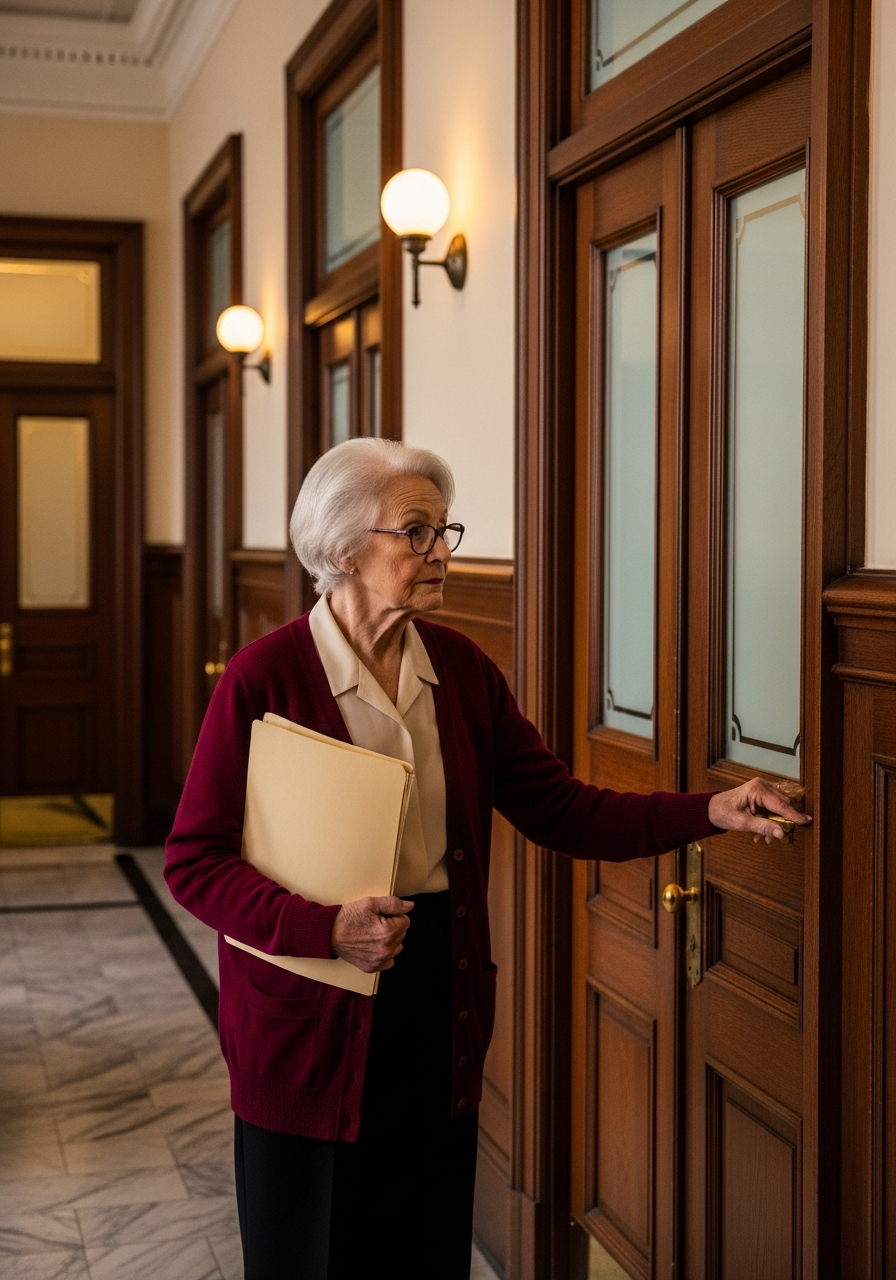
Mission 17: The Courthouse Files — Court Records Beyond Probate
Guardianships, Divorces, and the Disputes That Made the Record
There’s a divorce petition sitting in a county courthouse in central Ohio, dated 1887. It isn’t scandalous. It isn’t dramatic—at least, not the way the neighbors probably hoped. What it is, though, is three pages of careful legal language that accidentally preserved more family detail than any census ever did.
The wife’s maiden name. The exact date and place of the marriage. The names and ages of four children, listed youngest to oldest. The husband’s occupation, his habits, and the street where they lived before he left for Indiana. The names of two witnesses who knew them both—neighbors, it turned out, who also appeared in the county tax rolls and the local Methodist church register.
Three pages. More biographical detail than an entire decade of census records combined.
We found this document because we stopped thinking of the courthouse as “the probate office” and started thinking of it as a building full of rooms we hadn’t opened yet. Today, we’re going back—and this time, we’re opening every door.
More Than Wills: The Full Menu
When genealogists hear “courthouse records,” most think of wills and estate inventories. That’s one room. Here’s what’s in the rest of the building.
Guardianship records were created when minor children lost a parent—or when an adult was deemed unable to manage their own affairs. A court appointed a guardian, usually a family member, and required annual accountings of the children’s welfare and finances. These files list every child by name and age, their relationship to the deceased, and often the guardian’s relationship to the family.
Divorce records contain petitions, depositions, and final decrees. Before the twentieth century, courts required detailed justification for divorce, so these files describe daily life, relationships, residences, marriage dates and places, children’s names and ages, and property ownership—often in remarkable detail.
Civil suits cover everything from debt collection to property boundary disputes and slander cases. The real treasure is in the depositions: sworn testimony, sometimes in your ancestor’s own words, describing events, relationships, and circumstances no other record captures.
Criminal dockets might feel uncomfortable to search, but even a minor offense—public drunkenness, trespassing, selling liquor without a license—places your ancestor in a specific location on a specific date with specific associates.
Equity and chancery cases handled disputes common law couldn’t resolve: complex inheritance fights, property divisions between feuding heirs, and land disputes. These files are often thick with depositions and witness testimony.
Name change petitions document when and why someone legally changed their name—for immigration, marriage, personal preference, or a fresh start. They can explain why a surname shifts between records.
Naturalization petitions connect directly to immigration records. Before 1906, a person could naturalize in any court of record. The declaration of intention and petition for citizenship can contain birthplace, birth date, occupation, physical description, port and date of arrival, and names of a spouse and children.
Finding the Right Courtroom
Not every court handled every type of record, and terminology varies by state.
In Maryland and Pennsylvania, orphan’s courts handled probate and guardianship. In New York and New Jersey, surrogate’s courts did the same work. Southern states often maintained separate chancery courts for equity cases. Circuit courts typically handled civil and criminal matters, while federal courts took over naturalization jurisdiction after 1906.
When searching, identify which court in your ancestor’s state and county would have handled the type of case you want. The FamilySearch Research Wiki has state-by-state guides that map record types to court systems and is the best free starting point for sorting out jurisdiction.
Reading the Docket
Once you’ve identified the right court, the process follows a pattern.
Start with the indexes. Most courts maintained separate indexes for plaintiffs and defendants. Always search both—your ancestor could appear on either side. Indexes list case numbers, parties’ names, and dates.
The case number leads to the docket book, which records the chronological progress of the case: hearing dates, motions, rulings, and outcomes.
The real payoff is in the case file—the physical packet of loose documents tied to that case number. Petitions, depositions, bonds, correspondence, evidence exhibits, and court orders. This is where you’ll find family details, testimony, and stories no other record preserves.
Many court records have been microfilmed by FamilySearch or digitized by state archives. But a significant number remain undigitized and accessible only at the courthouse or state archive. If you’ve exhausted online sources, a courthouse visit may be exactly what breaks the case open.
What the Papers Say
Court records reveal things no other genealogical source can because they capture conflict, crisis, and legal turning points.
A guardianship file shows a family when a parent died: who the children were, how old they were, and who stepped forward to raise them. A divorce petition describes a marriage from the inside. A civil suit preserves a dispute between neighbors that illuminates a community’s social network. A naturalization petition records the moment an immigrant chose to become a citizen, with facts about their origin that may survive nowhere else.
These records aren’t always comfortable to read. Divorces, criminal charges, and custody battles are evidence of hard times. But they’re also evidence of real lives—and the details they preserve are often the most human, specific, and irreplaceable information you’ll find about an ancestor.
Your Mission
Pick one ancestor—preferably someone you’ve already located in census or probate records. Search for non-probate court records in their county. Check both plaintiff and defendant indexes. Try the FamilySearch Catalog first (search the county name plus “court records”), then check the state archives website for digitized collections.
You might find nothing. Or you might find three pages of an 1887 divorce petition that tell you more about a family than a decade of census records ever could.
Granny says: “The courthouse has more than one room, dear. You’ve been polite—visiting probate, shaking hands with the clerk, and heading home. But there are doors down the hall you haven’t tried yet. Guardianship. Divorce. Civil suits. Open them. The paper trail your ancestor left behind might be longer than you think.”